
 Molla @HillTop
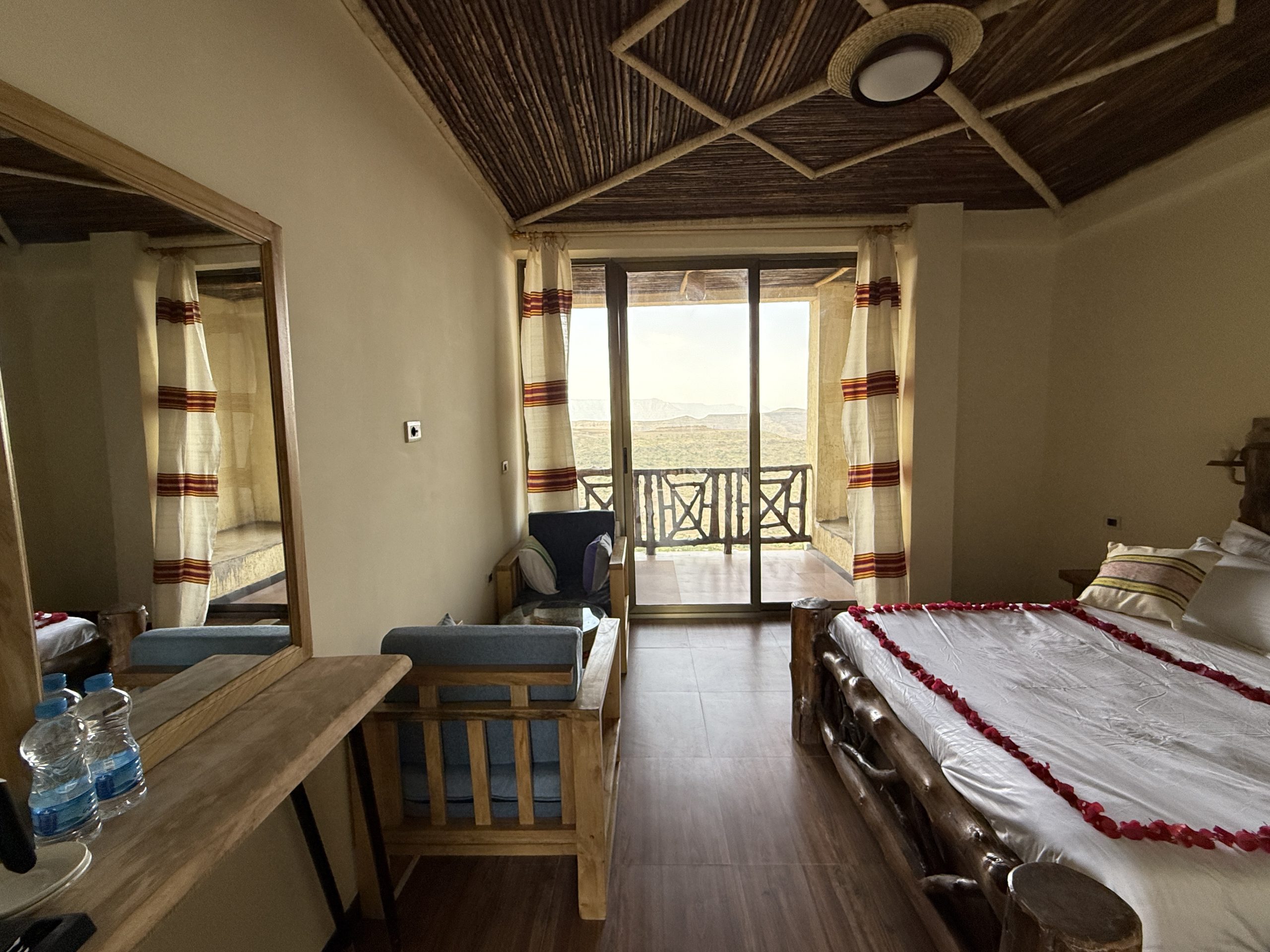
The rock‑hewn churches of Lalibela in northern Ethiopia are among the most remarkable architectural and spiritual sites on Earth — a testament to human creativity, faith, and endurance. Carved directly from volcanic rock in the 12th and 13th centuries, these churches form a living cathedral city that continues to draw pilgrims and travelers from around the globe.
What Makes the Rock‑Hewn Churches So Unique
Unlike traditional buildings assembled from bricks or stones, Lalibela’s churches were hewn from a single solid mass of volcanic rock. Craftsmen first cut deep trenches around blocks of rock and then carved the interiors and exteriors, creating free‑standing structures embedded in the earth itself.
This extraordinary construction has led UNESCO to designate the site as a World Heritage Site, recognizing its cultural, historical, and religious significance.
There are eleven major monolithic churches, laid out in two main clusters — northwest and southeast — with Bete Giyorgis (St. George’s Church) standing apart as the most iconic and photographed of all.
The Best Time to Visit Lalibela
The dry season (October to March) offers the most comfortable conditions with pleasant daytime temperatures, clear skies, and easy walking paths around the churches. Early mornings and late afternoons during this period also provide superb lighting for photography.
Visiting during major Ethiopian festivals, such as Genna (Christmas) or Timkat (Epiphany), brings an unforgettable cultural experience, but accommodation and crowds can be intense, so plan ahead.
Exploring the Church Complex
Northern and Southern Clusters
The main complex is divided into two groups linked by carved walkways and ceremonial trenches. Both clusters are within walking distance of each other and can be explored over one or two days, depending on your pace.
Bete Medhane Alem
This church is one of the largest monolithic structures in the world, with a spacious interior supported by rock pillars that convey a cathedral‑like feeling.
Bete Maryam
Believed to be among the oldest churches, Bete Maryam offers richly carved entrances and interior frescoes that reveal layers of religious artistry.
Bete Giyorgis (St. George)
Carved into a cruciform shape and set deep into the earth, Bete Giyorgis is the most striking and recognizable of all Lalibela’s churches. Its dramatic silhouette and spiritual aura make it a must‑see.
Other notable churches include Bete Amanuel, Bete Gabriel‑Rufael, and Bete Golgotha‑Mikael, each offering a distinct historical perspective and architectural nuance.
Visiting Tips
Tickets & Guides
Entry tickets to the entire complex usually cover multiple days, giving you flexibility to explore at your own pace. Hiring an official local guide enhances your understanding of the symbolism, history, and traditions behind the churches.
Respect Local Customs
Wear modest clothing, remove shoes before entering sacred spaces, and be mindful of ongoing religious services, which can feel deeply personal and immersive for visitors.
Photography & Light
Early morning and late afternoon offer the best natural light for photography, casting dramatic shadows and highlighting intricate rock carvings.
Practical Travel Information
Getting There
Lalibela is accessible by domestic flights from major Ethiopian cities such as Addis Ababa, Bahir Dar, and Gondar. A short drive from the airport brings visitors to town, where tuk‑tuks and walking paths provide easy access to most sites.
Length of Stay
For most visitors, 2–3 days is ideal: one full day exploring the church complex, a second day for deeper historical immersion or repeat visits to favorite sites, and an optional third day for surrounding hikes and market exploration.
Local Culture
Beyond the churches, Lalibela’s markets, coffee traditions, and daily rhythms offer rich cultural experiences. Take time to enjoy traditional Ethiopian meals and coffee ceremonies that reflect deep local hospitality.
Visiting Lalibela’s rock‑hewn churches is more than sightseeing — it’s a journey into faith, history, and human ingenuity carved into living stone. For travelers seeking cultural depth and architectural marvels, this sacred site promises memories that stay with you long after your journey ends.
📞 Connect with us to plan your stay and explore Lalibela with confidence:
Phone: +251 911 052 659 / +251 923 247 254
Email: reservation@hilltoplodgelalibela.com
📍 Hill Top Lodge Lalibela, Debre Roha Kebele, Getergi Street, Lalibela, Ethiopia