
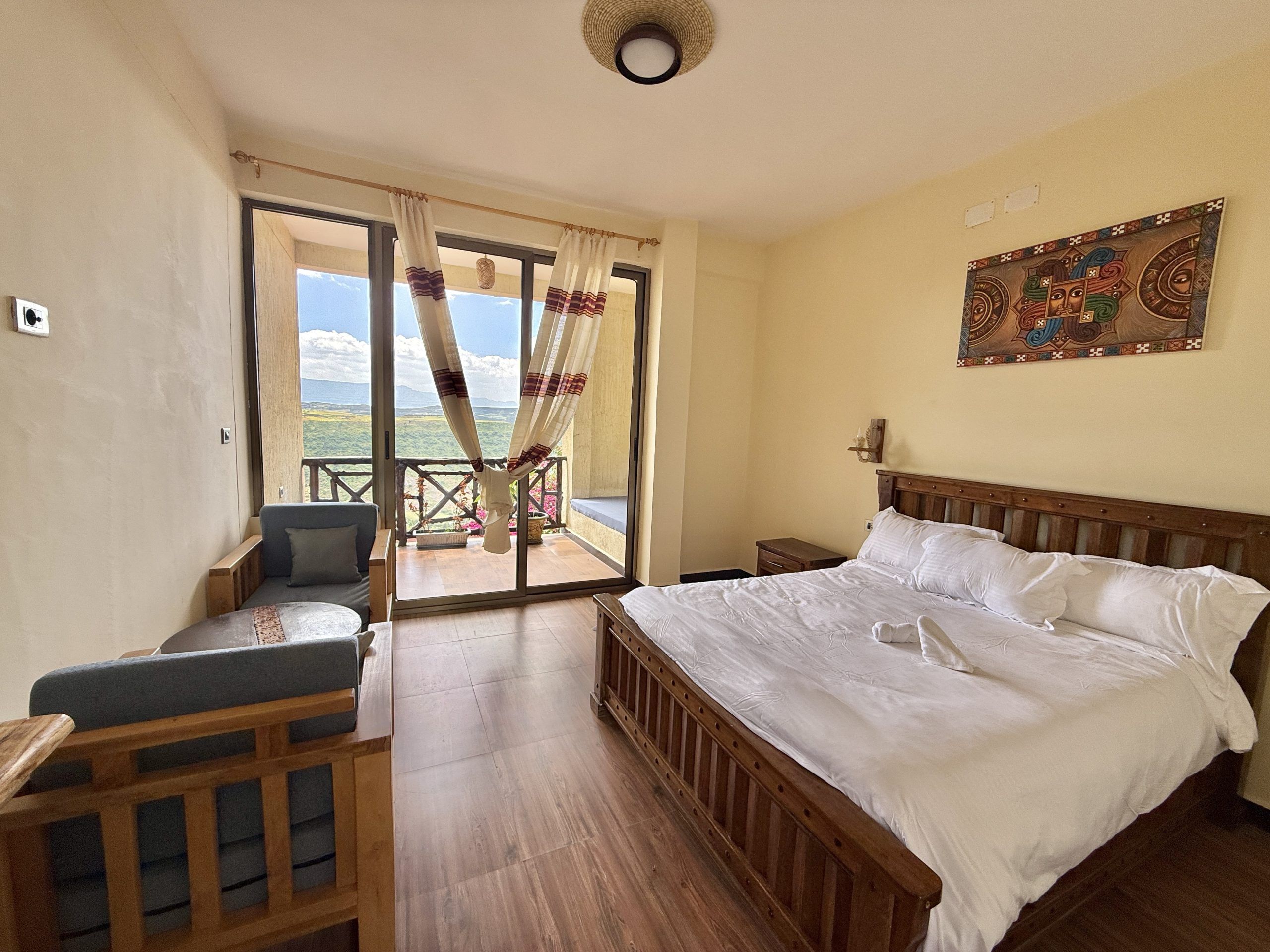
 Molla @HillTop
Lalibela is not a place you visit randomly. Timing changes everything here. The light, the weather, the crowds, even the feeling around the churches shifts depending on when you come.
If you get the timing wrong, you deal with rain, rough roads, and limited visibility. If you get it right, you see golden sunrise over stone churches carved centuries ago, and the town feels alive in a way that’s hard to describe.
This guide breaks it down in a simple way so you can actually plan your trip, not just read general advice.
Quick answer first
- Best overall time: October to March
- Best weather: November to February
- Best cultural experience: January (Ethiopian Christmas season)
- Avoid if possible: June to September (heavy rains)
That’s the reality.
Now let’s break it properly.
Lalibela weather explained simply
Lalibela sits in the Ethiopian highlands. That means:
- Cool temperatures most of the year
- Strong sun during the day
- Cold nights, especially between November and February
- Rainy season that can make travel difficult
Unlike coastal destinations, Lalibela is not about heat. It’s about clarity, walking conditions, and visibility.
Dry season (October to March)
This is the main travel window.
What you get:
- Clear skies
- Easier hiking and walking between churches
- Better photography light
- Roads are more reliable
- Tours run smoothly
Daytime temperatures are comfortable, but nights can get cold. You’ll want a light jacket even if the day feels warm.
This is when most international travelers come.
Rainy season (June to September)
This is where many travelers make mistakes.
What happens:
- Heavy rainfall in bursts or long stretches
- Muddy and slippery paths
- Delays in road transport
- Reduced visibility for sightseeing
- Some outdoor plans become uncomfortable
The landscape is greener, yes. But in Lalibela, the main attraction is stone architecture and walking routes. Rain affects both.
If you still come during this time, you need flexibility. Don’t pack a tight schedule.
Best months to visit (practical breakdown)
October to November
Good balance month.
- Rain is ending
- Landscapes are still green
- Fewer crowds compared to peak season
- Prices are more reasonable
This is one of the most underrated times.
December to February
Peak travel season.
Why people choose it:
- Stable weather
- Clear skies almost daily
- Best photography conditions
- Festivals in January
Downside:
- More tourists
- Higher accommodation demand
- Need to book early
If you want comfort and predictability, this is your window.
January (special case)
January is not just another month in Lalibela.
It includes Ethiopian Christmas (Genna), one of the most important religious celebrations in the country.
What to expect:
- Large gatherings at the churches
- Deep cultural atmosphere
- Traditional ceremonies and chanting
- Very high demand for hotels
But also:
- Crowded streets
- Higher prices
- Limited last-minute availability
If you want culture, this is the month. If you want quiet, avoid it.
March to May
Transition period.
- Warmer temperatures
- Fewer tourists
- Calm environment
- Some haze in the air at times
Good for travelers who want space and lower prices. Not the absolute best weather, but still very workable.
Worst time? Not that simple
People often say “don’t go in rainy season,” but it depends.
If your goal is:
- Photography → avoid heavy rain months
- Budget travel → rainy season can be cheaper
- Cultural immersion → January is worth crowds
So it depends on what you want.
But for a first-time visitor, dry season is simply easier.
What most travelers get wrong
1. They underestimate walking conditions
Lalibela is not a drive-through destination. You walk between churches, often on uneven stone paths.
Rain turns this into a challenge fast.
2. They book too late for peak season
January and December are not last-minute friendly.
If you wait too long:
- Good rooms disappear
- Prices increase
- Options become limited
3. They don’t plan for cold nights
Even in “good weather” months:
- Nights can be surprisingly cold
- Highland wind adds chill
A light jacket is not optional.
Simple travel advice that actually helps
- Book accommodation early if traveling December–January
- Plan at least 2–3 days in Lalibela, not a quick stop
- Keep one flexible day in your itinerary
- Choose lodging with good location over cheap distance deals
- Carry cash; card payments are not reliable everywhere
When should you personally go?
Here’s the straightforward breakdown:
- If you want perfect weather + ease of travel → November to February
- If you want culture and festivals → January
- If you want fewer tourists + lower prices → March or October
- If you want green scenery + don’t mind rain risk → July or August
Final thought
Lalibela is not just about the churches. It’s about how you experience them. Weather decides whether your experience feels smooth or frustrating.
If you choose the right season, you spend your time looking at history carved in stone. If you don’t, you spend time dealing with weather problems instead of the place itself.
Timing is not a small detail here. It’s part of the trip.